September Birth Flower: Aster and Morning Glory Meaning, Myths and Growing Tips
The September birth flower is the aster, with the morning glory as its companion. Learn what each means, the myth behind them and how to grow or gift them.
If you were born this month, your birth flower comes in two very different forms: a star-shaped, daisy-like aster that lights up the garden just as summer fades, and a twining vine, the morning glory, that opens its blooms at dawn. Together they make one of the most charming pairs among the birth month flowers, and each carries its own history and symbolism. This guide looks at what the September birth flower means, where the old stories come from, and how to grow, display or give either one.
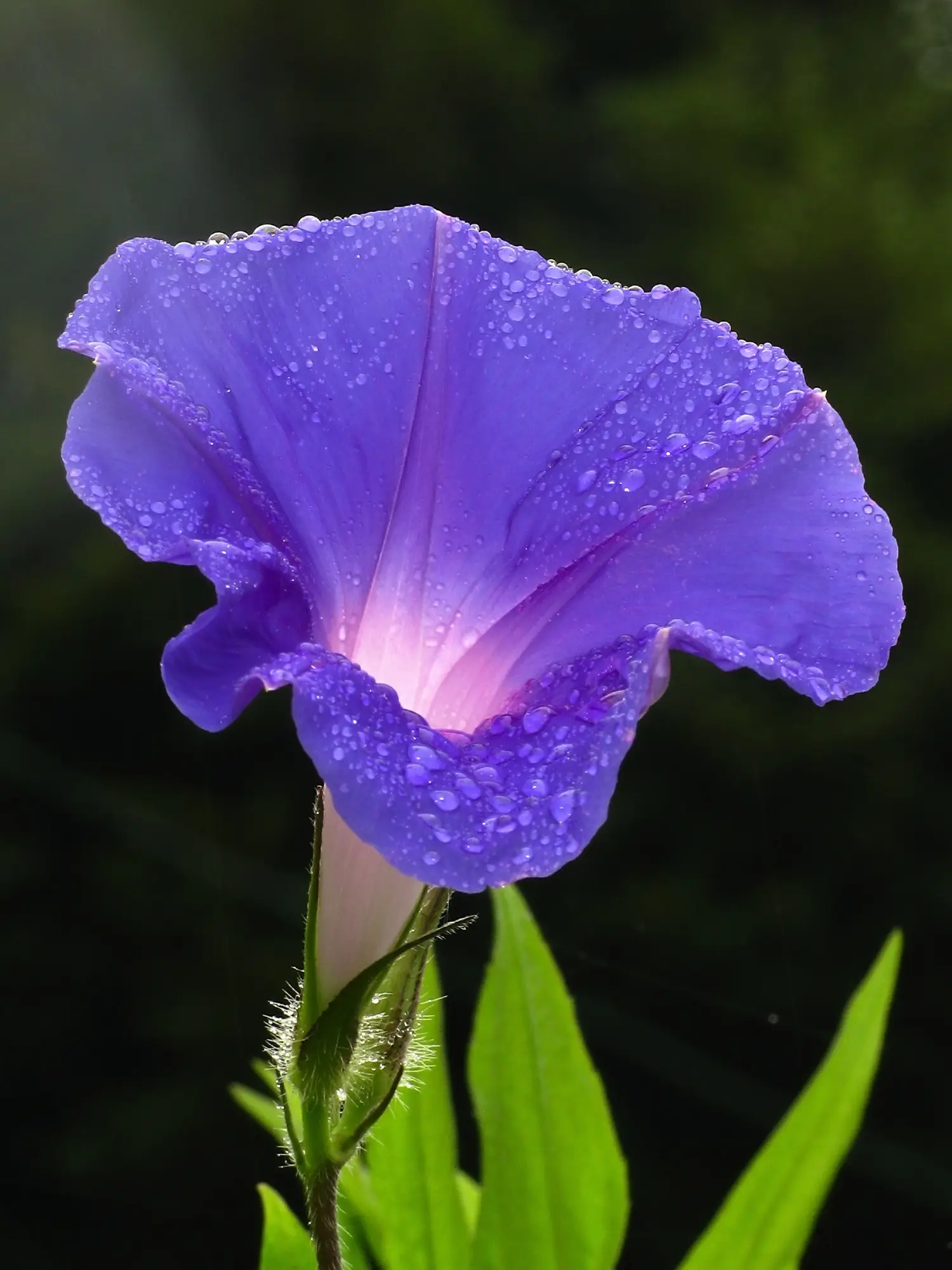
Photo: Morning-glory-C6295a.jpg : Fg2 (Frank J. Gualtieri Jr.) derivative work: Kaldari ( talk ) (Public domain), via Wikimedia Commons
What are the September birth flowers?
The primary September birth flower is the aster, and the secondary flower is the morning glory. September’s birth flower is therefore a pair, and each half has a long meaning in the language of flowers. Most lists agree on those two, which makes September one of the easier birth flowers to answer. Anyone with a birthday early in the month under Virgo, or late in the month under Libra, can claim both, and nothing says you must choose only one. People born in September usually treat the asters as the main flower and the morning glories as the companion.
The two blooms suit the month for a practical reason as well. Asters are among the last perennials to flower, filling gardens with color when summer plants are tired, while morning glories reach their peak in the warm days of late summer and early fall. Between them, a September birthday is covered by flowers that are actually in season, which is not true of every one of the birth flowers.
Why does September have two birth flowers?
Birth flowers have no single official list, so many months end up with a pair, and September is one of them. The aster is the traditional choice and the one tied to the Greek and Victorian flower lore below. The morning glory is the companion pick that most lists add, and it comes from a different tradition, one that favors a flower in bloom at the same time of year. If you see another flower named for September on a different list, it usually comes from a regional tradition. What stays constant is the feeling: both flowers speak of affection.
The aster: a star-like bloom for the end of summer
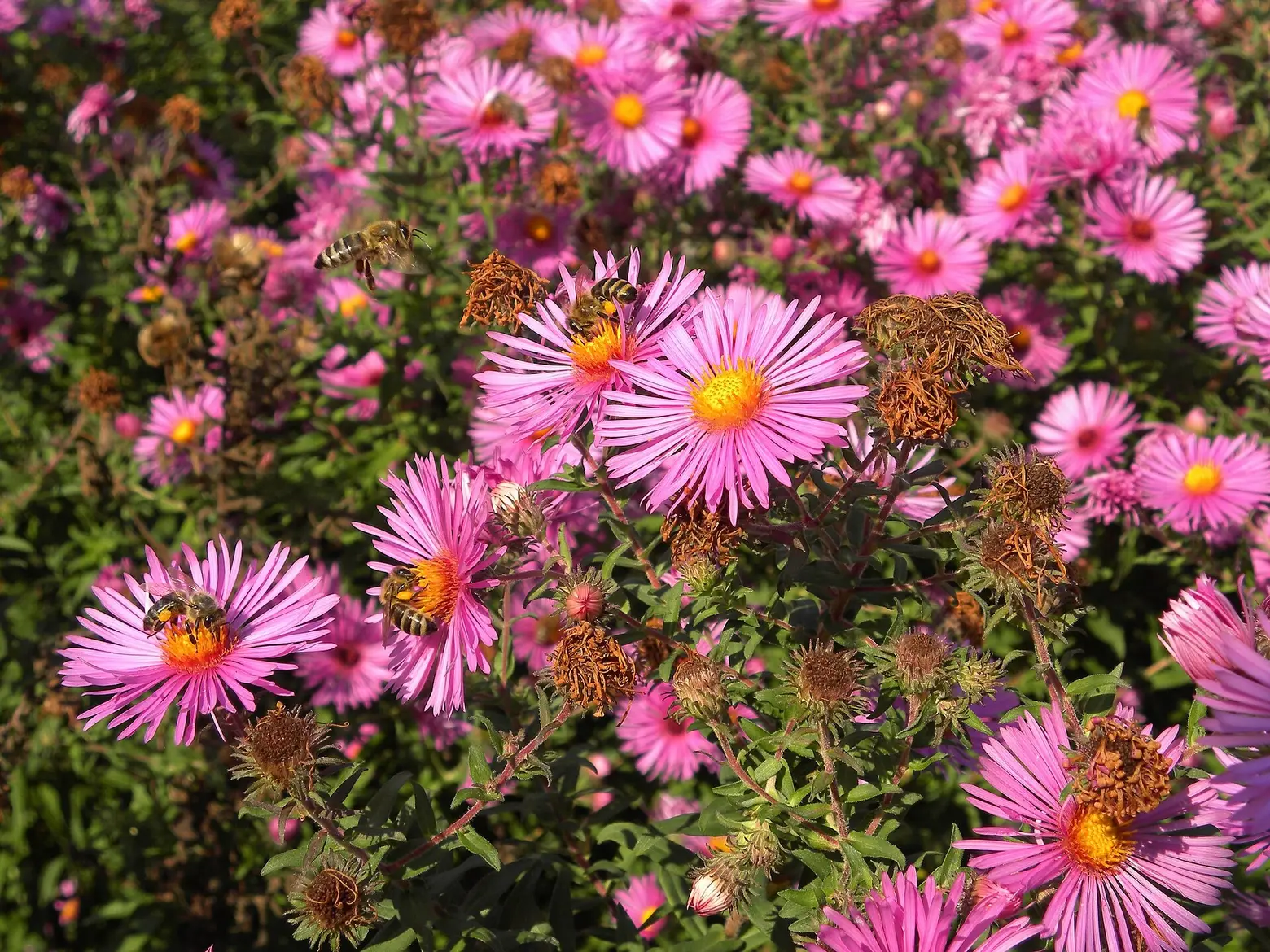
Aster comes from the Greek word for star, and the name suits the flower. Each bloom has a ring of narrow petals around a yellow center, which gives the aster flower its look of a small star. Asters belong to the Asteraceae family, the same enormous group that includes the sunflower, dahlia and chrysanthemum, so the resemblance is no accident.
Wild and garden asters range from knee-high mounds to plants taller than a person, and the colors of asters include purple, lavender, pink, blue and white. Purple asters are the classic, and the white ones have a cleaner, quieter look. Many of the plants gardeners call asters in North America, including the well-known New England asters, are now classed in a related genus called Symphyotrichum, but the common name has stayed. They flower until the first frosts, which is why they are such a reliable source of fall color.
What asters symbolize, and the story of Astraea
The meaning of the aster centers on patience and elegance, and asters symbolize love above all, with a few older sources adding wisdom. In the Victorian language of flowers they were a symbol of love and daintiness, and white ones were taken to mean purity and innocence. Today they are still often associated with love and affection. A sprig in a bouquet could say a great deal without a word, and many people today still choose them as a flower that stands for love without being as obvious as a rose.
The best-known tale comes from Greek mythology. It says that the goddess Astraea, often shown among the stars and linked with the constellation Virgo, looked down from the heavens and wept at how few stars she could see over the earth. Where her tears landed, asters grew, so the flower is sometimes called the tears of the goddess Astraea. Asters were considered sacred flowers to the Greek and Roman gods, and old accounts mention garlands of them left on altars and leaves burned in the belief that the smoke could ward off evil spirits. These are folk traditions, not botany, but they give the flower rich symbolism and explain why asters represent so many ideas at once, from enduring love to love and wisdom.
Photo: Haeferl, CC BY-SA 3.0, via Wikimedia Commons
The morning glory: a trumpet-shaped climber
The morning glory could hardly look more different. Morning glories are fast-growing vines in the genus Ipomoea, which has hundreds of morning glory species, with heart-shaped leaves and trumpet-shaped flowers in blue, purple, pink, magenta and white. The flowers open in the morning, with the sunrise, and usually close by early afternoon, and each one lasts only a day, though a healthy plant keeps producing new ones for weeks. The famous variety Heavenly Blue is a deep sky blue that many gardeners consider the finest of all.
Because the blooms fade within hours, morning glories have come to symbolize affection, the brevity of life and, in some Victorian sources, unrequited love. They also stand for the freshness of a new day, which is a pleasant idea for a birthday. Morning glories are beautiful flowers, but they are not an edible flower: the seeds of most species are toxic if eaten, so keep them away from children and pets. The sweet potato, a close relative, is grown as a food crop for its roots, not its blossoms.
Growing asters in full sun
Asters are easy perennials that come back year after year, and they add color just when the beds need it. Plant them in full sun, meaning at least six hours of direct light, in well-drained soil. They do well across USDA zones 3 to 8 and can reach four to six feet, so give them space and good air circulation to prevent mildew on the leaves. Gardeners who want a bushier plant often cut the stems back by about half in early summer, which delays flowering slightly but gives a sturdier plant with more petals and more blooms. Divide clumps every two or three years in spring to keep them vigorous. Among the favorite varieties, Purple Dome is a compact New England type about two feet tall, and Frikart's aster blooms from midsummer into fall, a longer season than most.
These are also some of the best late plants for wildlife. Bees and butterflies rely on asters for nectar in autumn, when little else is in flower, and monarch butterflies stop to feed on them during their fall migration. Mixing asters with ornamental grasses, goldenrod or sedum is a way to add a pop of color well into October, and it keeps the garden useful to pollinators, including butterflies and hummingbirds, long after the summer beds have gone over.
Growing morning glories on a trellis
Morning glories are grown from seed and are usually treated as annuals. Wait until the last frost has passed and the soil is warm, then nick the hard seed coat or soak the seeds overnight, and sow them next to a trellis, a fence or another support. Some gardeners start them indoors in peat pots about a month before the last frost, since the roots dislike being disturbed. They are strong climbers, and a single plant can cover six to ten feet in a season. Plenty of light and modest feeding give the most blooms, because too much fertilizer produces leaves at the expense of flowers.
One warning: in warm regions morning glories can self-seed heavily and become a nuisance, so pull up stray seedlings before they spread. Hummingbirds and bees visit the open blooms, which makes a morning glory fence lively through the early part of the day.
Giving September flowers as a gift
The beauty of asters carries over to the vase, and they make a cheerful cut flower. A bunch of purple or white asters lasts a week or more in water if you strip the lower leaves and change the water, and they pair nicely with chrysanthemums or dahlias in an autumn bouquet. Morning glories wilt within hours once cut, so for a gift they are better admired where they grow, pressed in a frame, or given as a packet of seeds. A florist can build an arrangement for a September celebration around asters and add a few trailing leaves as a nod to the morning glory.
Both flowers are popular as a September flower tattoo, usually drawn in a fine line style, and the pairing works well because the star shape of the aster contrasts so nicely with the curling stem of the morning glory. To compare every month, read our guide to the birth flower for each month.
Rosa Delgado writes about flower meanings, birthdays and seasonal flowers.