August Birth Flower: Gladiolus and Poppy Meaning, Symbolism and History
The August birth flower is the gladiolus, with the poppy as its partner. Explore their meanings, history, tattoo ideas and how to grow and arrange them.
Few months give you a pair of birth flowers as different as August's. One is the gladiolus, a tall, bold spike of funnel-shaped flowers that rises like a sword. The other is the poppy, a papery, delicate flower that has stood for remembrance for more than a century. If you or someone you love was born in August, this flower guide explains what each one means and what it can symbolize, where its story began, how to grow it and how to give it, from a vase of cut stems to a tattoo design.
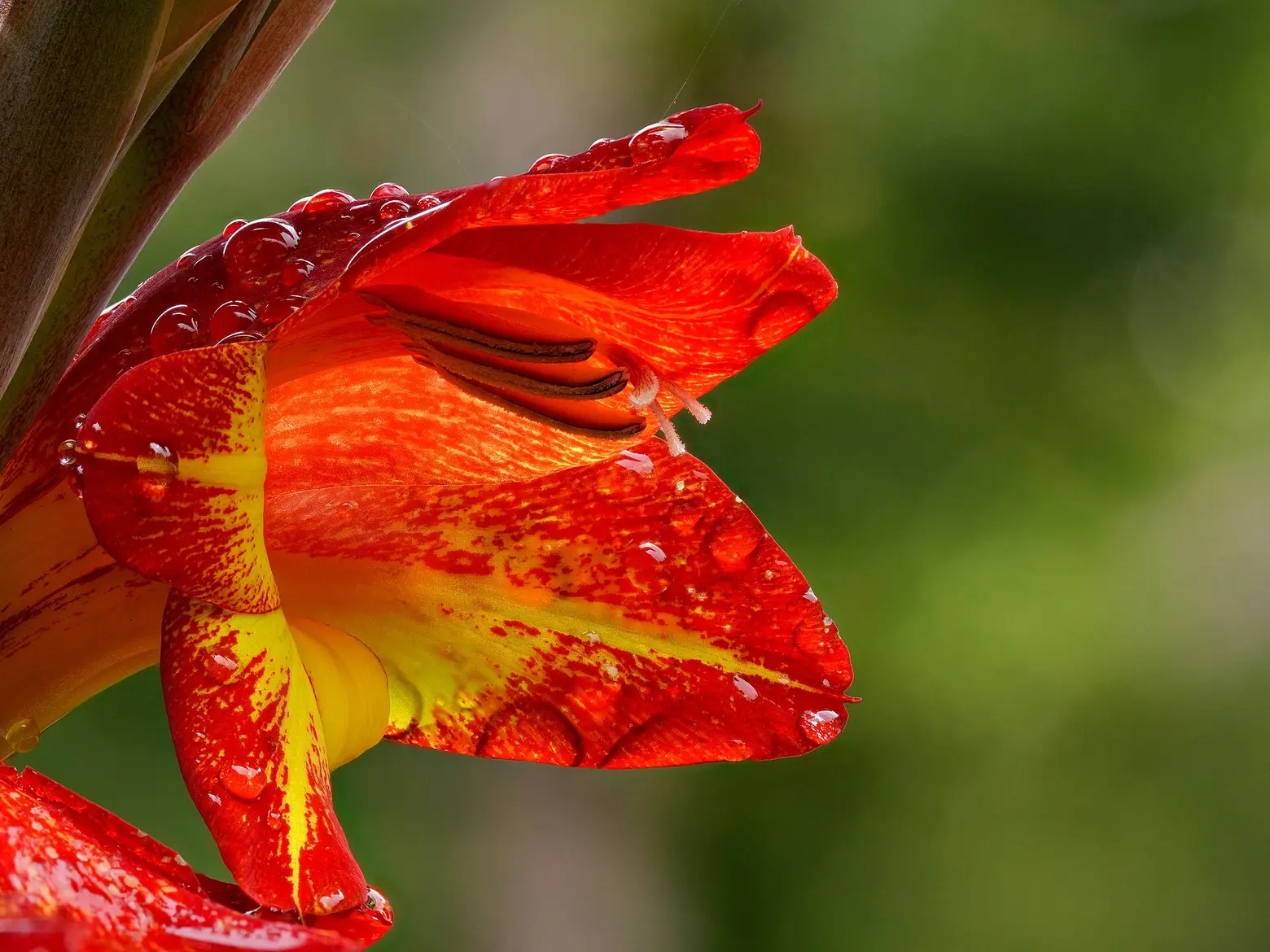
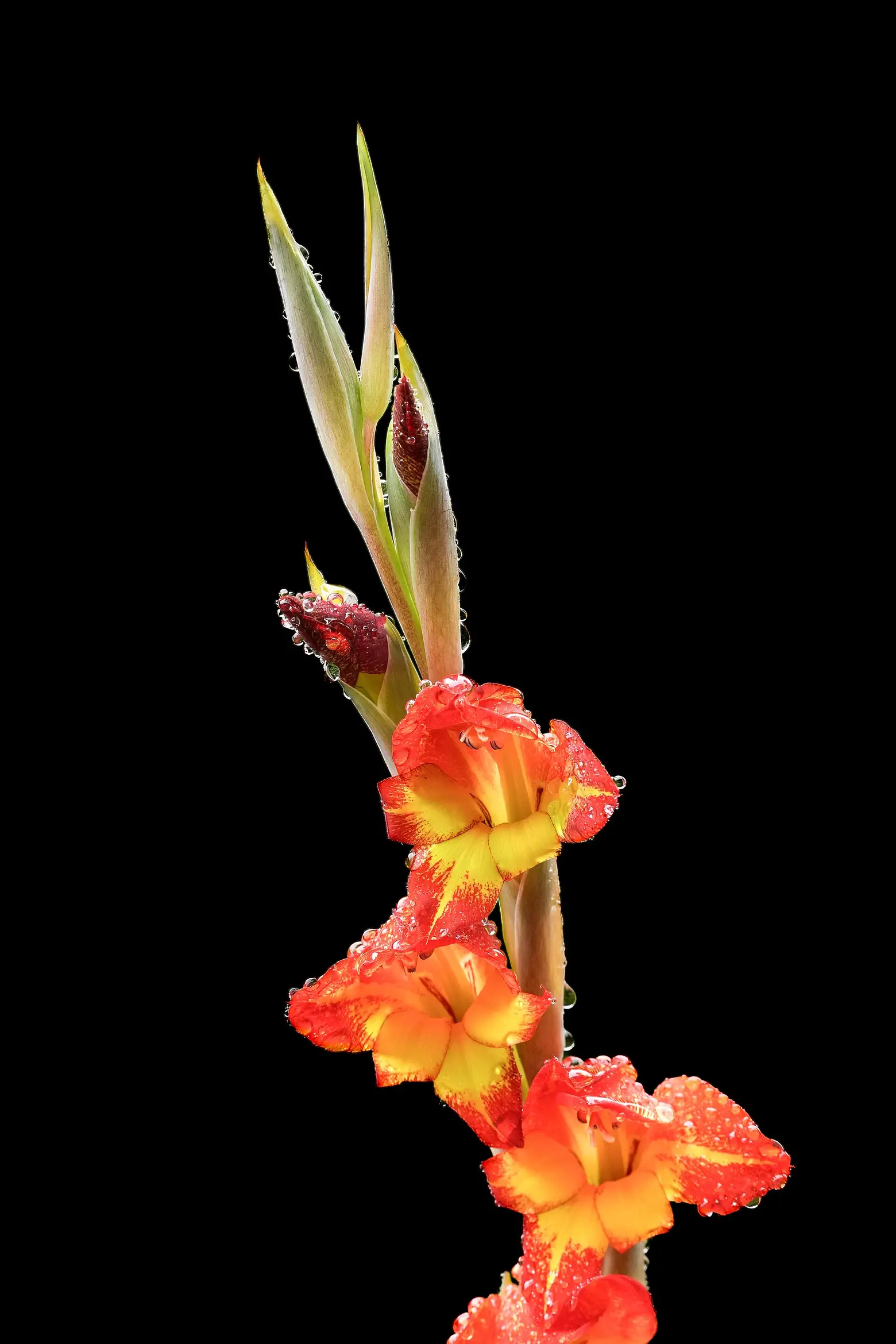
Photo: Timothy A. Gonsalves, CC BY-SA 4.0, via Wikimedia Commons
What are the two August birth flowers?
The gladiolus is the traditional birth flower for August, and the poppy is the second flower on most lists, so anyone in the August birth month can pick a favorite flower. People often ask why the month has two birth flowers. The answer is that birth month flowers have no single official list, so each month ended up with a main flower and a companion. The August birth flowers are the gladiolus and the poppy, with the gladiolus as the primary birth flower and the poppy as the companion. Some lists add a third, the spider lily. The month of August falls in the heat of late summer, when the gladiolus is at its best, and it covers the sign of Leo for most of its length and Virgo for the last week.
The two flowers complement each other. The gladiolus is upright and strong, a flower for someone with strength of character, since the gladiolus stands for exactly that, while the poppy, a gentler August flower, is fragile and moving and carries the meaning of remembrance and peace. If you are choosing for an August baby or a grown-up celebrating in the month, the pairing gives you a choice between bold and gentle, and it is a gift for someone who deserves both.
Gladiolus: the sword lily
The gladiolus gets its name from the Latin word gladius, meaning sword, because of its long, pointed leaves, and the gladiolus is also still called the sword lily. Despite the nickname it is not a true lily and belongs to the iris family. There are around 260 species, most of them native to sub-Saharan Africa, with others found around the Mediterranean and in parts of Asia, and the large garden types that florists sell are hybrids bred over the last two centuries.
A striking gladiolus is easy to recognize. A single stalk can reach four or five feet and carry a dozen or more blooms that open from the bottom upward, so the display keeps changing for a week or more. Each gladiolus flower can be three to four inches across. The flower colors run from white, cream and yellow through pink, orange and red to deep purple, and the ruffled petals give the plant a theatrical look. Gladiolus stems stand on their own in a tall vase, which is one reason the flower is a favorite in large arrangements and other floral designs.
Gladiolus meaning and the history of gladiolus
In the language of flowers the gladiolus means strength and integrity, and it symbolizes strength of character. The link comes from the sword shape and from old stories in which the gladiolus was believed to protect the Roman gladiator, whose name comes from the same word. Whether or not those tales are true, the association stuck. Victorian flower language gave it another message, you pierce my heart, a declaration of love at first sight. Each color carries a specific meaning, so a red gladiolus represents passion, a pink one affection and compassion, a white gladiolus purity and a yellow one friendship.
The story of this plant in gardens is long. Wild forms were collected in southern Africa and brought to Europe in the 1700s, and breeders in Europe and North America later crossed them into the tall hybrids we know. Today it is among the most widely grown cut flowers, and its meaning makes it a thoughtful gift for someone who has come through a difficult year.
The poppy: a flower of remembrance
The poppy is the second August birth flower, and its meaning is more somber. The red poppy became a symbol of remembrance after the First World War, when red field poppies bloomed across the churned battlefields of Flanders. The Canadian doctor John McCrae saw them there and wrote the poem In Flanders Fields in 1915, and his words made the poppy a lasting emblem of the fallen: the poppy means remembrance to millions of people. Each November, paper poppies are worn in Britain and the Commonwealth, and in the United States the red poppy is linked with Memorial Day. White poppies carry a different message, peace, and are worn by people who want to remember the dead and work against war.
The poppy's symbolism is older than the wars. In ancient Greece and Rome the poppy was tied to sleep and dreams, because the opium poppy produces a sedative sap with long medicinal uses. The Victorians took the poppy to mean consolation and imagination, so a few poppies in a bouquet could be a gentle message of comfort. A red poppy can also stand for pleasure, and a yellow poppy for wealth and success.
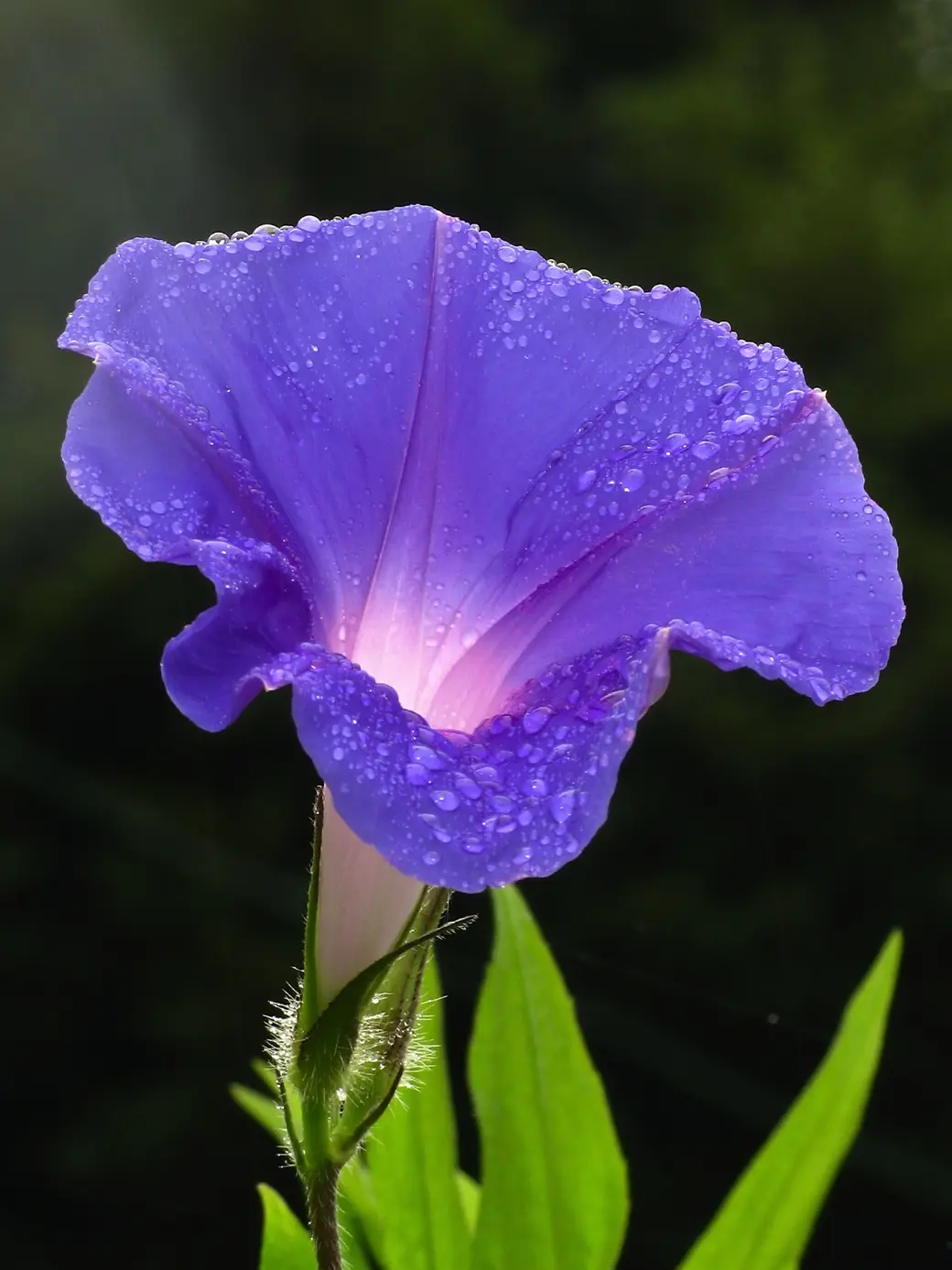
Photo: Timothy A. Gonsalves, CC BY-SA 4.0, via Wikimedia Commons
Poppy varieties and colors
The poppy comes in many colors, including red, orange, pink, white, yellow and purple, and its thin, crinkled petals look like tissue paper. The corn poppy, also called the field poppy, is the one behind the red poppies of remembrance and is an annual that scatters its own seed. Oriental poppies are perennial plants with huge, crinkled blooms in early summer, and Iceland poppies come in sherbet shades and are among the best for cutting. The California poppy is a different plant in the same family, with cheerful orange flowers that close at night. Poppy seeds are used in baking, but the plants are ornamental, and growing the opium poppy is restricted in some places.
How gladiolus and poppies represent August
The gladiolus and poppy represent two sides of the same month. August is a season of harvest and heat, and also the point when summer starts to slip away. The gladiolus answers that with height and color, and the poppy answers it with a quieter note of remembrance. The poppy and gladiolus together suggest a strong character with a tender side. Their meanings overlap in one useful way: both are flowers that ask you to pay attention, and both symbolize qualities people admire in a friend, courage in one and compassion in the other.
Growing gladiolus and poppies, and keeping them safe
The gladiolus grows from corms rather than true bulbs. Plant them after the last frost, four to six inches deep in full sun, and set out a few more every two weeks to enjoy blooms over a longer stretch. Flowers appear about two to three months after planting. In zones 7 and 8 and warmer, the corms can stay in the ground, but gardeners in colder climates dig them up in the fall and store them dry through winter. Tall plants often need staking against the wind.
Poppies prefer to be sown straight where the flower will grow, because the taproot dislikes being moved. Scatter the tiny seeds over bare soil in fall or very early spring and press them in without burying them. They do best in full sun and poor to average soil, and they flower most heavily earlier in the year, so the August link is more about symbolism than bloom time. Neither flower is suited to growing indoors, since both need strong light and room for roots.
One note for homes with animals: gladiolus corms and poppies are both toxic to pets if eaten, so keep plants and cut stems out of reach of dogs and cats.
Choosing and arranging flowers for an August birthday
For an August birthday, a bouquet of gladiolus is a showy choice, and you can also combine gladiolus and poppy in one arrangement, with a few sunflowers or zinnias to echo the season. The gladiolus is the backbone, while the poppy adds a soft contrast in the middle of the flower arrangements, and August's birth flowers work together because their shapes are so different. A single tall vase of one color looks as elegant as a mixed bunch, and these birthday flowers are a bold bloom for someone who loves color.
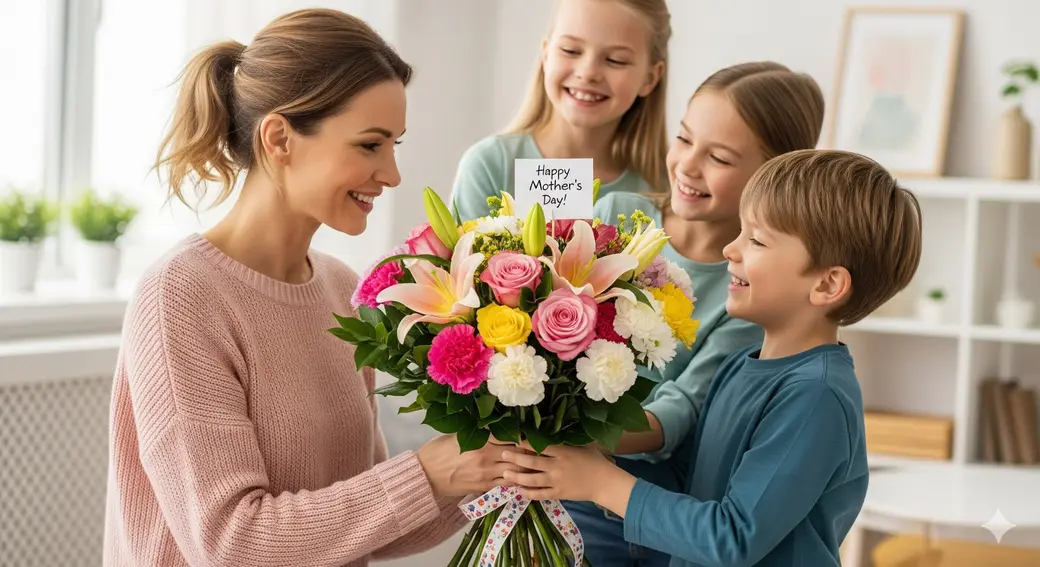
Care differs between the two flowers. Cut the stems at an angle, remove the top few buds so the lower blooms open fully, and change the water every couple of days, and a gladiolus lasts about a week to ten days as a cut flower. Poppies are fussier. The cut stem leaks a milky sap and each petal drops quickly, so many florists sear the stem ends in boiling water for about 30 seconds, then condition the stems in cool water. Expect each poppy flower to last only a few days, which is part of their charm. For a meaningful gift, add a card for someone with an August birthday that explains the meaning of each bloom, strength for one and remembrance for the other, so the bouquet carries a message as well as color.
August birth flower tattoo ideas
August birth flower tattoos are popular, and both blooms work well for them. A fine-line gladiolus often runs up the side of an arm or along a rib, using the tall column of blooms to draw the eye, and a red poppy is a classic choice for remembrance, for a lost loved one or a veteran. Many people pair the two in one of their tattoo designs, with the tall stalk behind a few poppies, and add the date in small lettering. For a softer look, watercolor poppies or a single-line outline are popular choices, and a small green accent can nod to peridot, the August birthstone.
For the full list of months, see our guide to birth month flowers and what they mean.
If the bouquet is meant for someone in Nonthaburi, you can order it from this delivery page.
About the author. Rosa Delgado shares guides to flower meanings, birthdays and seasonal flowers.